
How Commercial Scent Diffusers Enhance Customer Experience in Modern Spaces

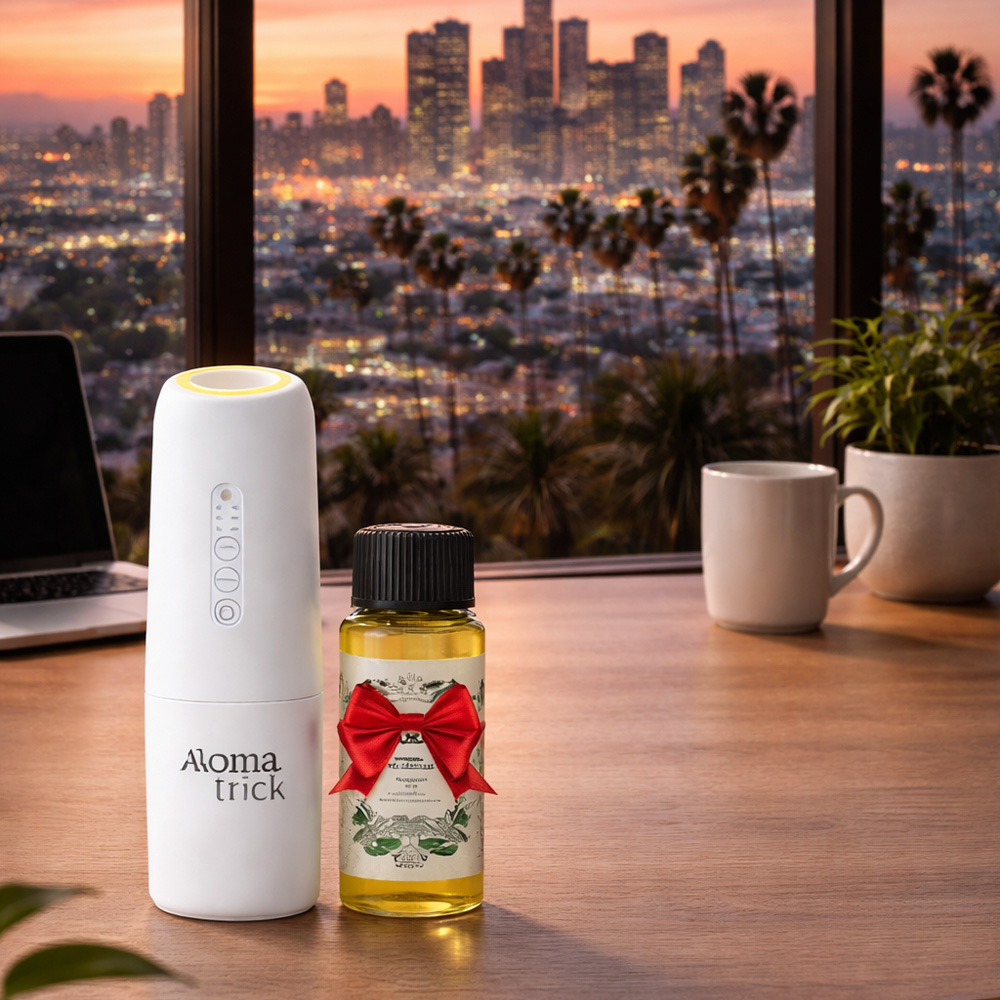
Before a customer reads your signage, speaks to your staff, or picks up a single product, they have already formed an impression. It happens in the first few seconds of walking through your door, and it is driven almost entirely by smell. Scent is the only sense that bypasses rational thought and connects directly to emotion and memory. Businesses that understand this are quietly using a commercial scent diffuser in UK spaces to shape how customers feel, how long they stay, and whether they come back. This guide walks you through exactly how it works, why it matters, and how to use it well. Stay with it because the science in the middle section alone will change how you think about your space.
What Is a Commercial Scent Diffuser, Really?
Definition: A commercial scent diffuser is a professional-grade device that disperses fragrance oil or scent concentrate evenly across a large space using cold-air diffusion, HVAC integration, or ultrasonic technology, creating a consistent and controlled olfactory environment.
This is not a plug-in air freshener from a supermarket shelf. It is a calibrated system designed to cover hundreds or thousands of square feet with a scent that stays consistent from the front door to the back wall, hour after hour.
The Science Behind Why Scent Works So Well
Smell and Memory Are Hardwired Together
The olfactory system has a direct connection to the limbic system, which is the part of the brain that handles emotion and long-term memory. No other sense has this kind of shortcut. A specific scent can trigger a feeling or a memory faster than a song, a photograph, or a familiar face.
The Dwell Time Effect
Research across retail and hospitality environments consistently shows that pleasant ambient scenting increases the amount of time customers spend in a space. More time in a space generally means more engagement with products, more conversations with staff, and a higher likelihood of purchase or return visits.
How Different Industries Use Scent Diffusion
Retail: Turning Browsers into Buyers
In retail environments, scent is used to slow people down and create a sense of comfort and familiarity. A warm, subtle fragrance in a clothing boutique signals quality before a single price tag is read. It sets an expectation that the product on the shelf is worth the attention.
Hospitality: Making Guests Feel at Home Before Check-In
Hotels have used signature scents for years to build brand identity. The moment a returning guest smells that familiar fragrance in the lobby, they feel reassured, welcomed, and already comfortable. That emotional response is worth more than almost any visual element in the space.
Wellness and Fitness: Setting the Tone for the Experience
Gyms, spas, and yoga studios use scent to anchor the experience they want to deliver. Energising citrus in a fitness studio, calming eucalyptus in a spa changing room, or grounding sandalwood in a meditation space- each one is a deliberate choice that supports the environment’s purpose.
Offices and Workspaces: Productivity Has a Smell
Corporate spaces are increasingly using scent diffusion to improve focus and reduce stress levels among employees. Scents like peppermint and lemon have shown measurable effects on alertness and concentration, making the office environment not just more pleasant but functionally better.
What to Consider When Choosing a Commercial Scent Diffuser
Coverage Area and Output Capacity
The device you choose needs to match the physical space it will serve. A diffuser rated for 500 square feet will not perform adequately in a 2,000 square foot showroom. Always check the manufacturer’s coverage specifications and factor in ceiling height and ventilation.
Cold-Air Diffusion vs. HVAC Integration
Cold-air diffusion uses pressurised air to break fragrance oil into micro-particles without heat, which preserves the integrity of the scent. HVAC integration disperses scent through existing air systems, covering larger spaces more evenly. The right choice depends on your space size and infrastructure.
Scent Intensity Controls
A good commercial diffuser lets you control output levels throughout the day. Morning intensity might be lower when the space is quiet, with output increasing during peak footfall hours. This kind of flexibility prevents the scent from becoming overwhelming and keeps it feeling natural.
Fragrance Selection and Brand Alignment
The scent you choose is a brand decision, not just an aesthetic one. It should reflect the values, personality, and target audience of your business. A luxury watch retailer and a children’s bookshop require entirely different olfactory identities, and getting this wrong can create confusion rather than connection.
Maintenance Requirements and Running Costs
Commercial diffusers vary significantly in how often they require oil refills, filter changes, and technical attention. Factor ongoing maintenance into your total cost assessment. A cheaper device with high fragrance consumption may cost more over twelve months than a premium unit with efficient output.
Common Mistakes Businesses Make with Scent Diffusion
Choosing a scent based on personal preference rather than customer profile– your customers’ taste is the only one that matters in this decision.
Running the diffuser at maximum output– subtlety is the point. If customers notice the scent immediately and consciously, it is probably too strong.
Ignoring seasonal adjustments– fresh, light scents work well in summer; warmer, richer fragrances suit autumn and winter environments better.
Using different scents in different zones– conflicting fragrances create an uncomfortable experience as customers move through the space.
The bottom line
Scent is not decoration. It is communication. It tells your customers how to feel before a single word is spoken or a single product is touched. Businesses that invest thoughtfully in a commercial scent diffuser in UK spaces are not just making their premises smell pleasant- they are building an emotional environment that keeps people present, comfortable, and far more likely to return. If you have covered every visual and verbal aspect of your customer experience and left scent off the list, you have left the most powerful tool in the room untouched.
FAQs
How long does fragrance oil typically last in a commercial scent diffuser?
This depends on output settings and diffuser model, but most commercial units consume oil over two to four weeks under regular daily operation in average-sized spaces.
Can scent diffusers cause issues for customers with allergies or sensitivities?
High-quality commercial diffusers use hypoallergenic, skin-safe fragrance oils. Keeping intensity levels low significantly reduces the risk of discomfort for sensitive customers in your space.
Is it possible to use a custom or branded scent in a commercial diffuser?
Yes, many professional scenting companies offer bespoke fragrance development so your business can have a completely unique scent that no competitor can replicate or associate with their brand.
How often should the scent in a commercial space be changed or refreshed?
Seasonal updates work well for most businesses. Changing scent too frequently confuses the sensory identity you are building, while never changing it risks customers becoming nose-blind over time.
Do commercial scent diffusers require professional installation, or can staff set them up?
Most modern commercial diffusers are designed for a straightforward setup without specialist knowledge. HVAC-integrated systems, however, typically require a technician for safe and effective installation.